
Scope 1 Emissions
Scope 1 is the greenhouse gas your company releases directly from sources it owns or controls. We identify each source, measure it, prepare the numbers for verification and connect them to a reduction plan.
Overview
What are Scope 1 emissions?
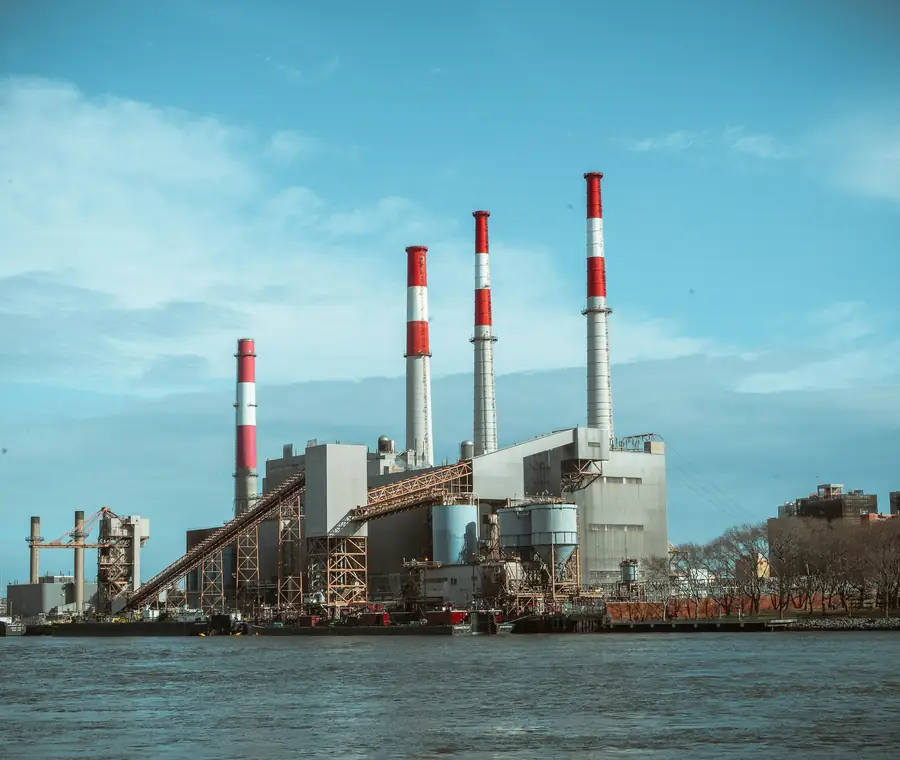
Scope 1 emissions are direct greenhouse gas emissions from sources your company owns or controls. Natural gas burned in boilers and furnaces, fuel used by company vehicles, calcination in clinker production and refrigerant leaking from cooling systems all count.
These emissions happen inside your own boundary. You are not waiting on a supplier: fuel invoices, meter readings, production logs and maintenance records are already in your hands, which leaves little room for gaps.
Decisions made here shape the rest of the inventory. The choice between operational and financial control, which sites are included and how data is stored all carry over into Scope 2 and Scope 3. ISO 14064-1:2018 reports the same emissions under "Category 1: direct GHG emissions."
- GHG Protocol Corporate Standard
- CEMS integration
- ISO 14064-1
Source types
The five Scope 1 source categories
Every direct emission in the inventory is assigned to one of these groups. The category also decides which activity data and which emission factor you need.
Stationary combustion
Fuel burned in fixed equipment on site: steam boilers, melting and heat-treatment furnaces, kilns, turbines and generators.
Mobile combustion
Fuel used by vehicles the company owns or controls, including trucks, shuttle fleets, forklifts, construction equipment, ships and aircraft.
Fugitive emissions
Unintended releases such as HFCs leaking from air conditioning and refrigeration, SF₆ from electrical switchgear and methane leaks from gas lines.
Industrial process emissions
Emissions from chemical reactions rather than fuel. Typical examples are limestone calcination in cement, iron ore reduction in steelmaking and PFCs from primary aluminum smelting.
On-site waste and land
Emissions from wastewater treatment, landfill or incineration units under the company's control, and from land use.
Framework
The GreenGoldTech Scope 1 framework
Five modules that carry the inventory from a source list to a verified reduction plan.
Source identification and boundary setting
Before anything is measured, we put in writing what the inventory includes.
- Operational or financial control approach
- Source list for each legal entity
- Site-level equipment and fuel map
- Written justification for every exclusion
Measurement and data infrastructure
We set up data flows that produce emission figures during the year, not just at the reporting deadline.
- Continuous emission monitoring (CEMS) connection
- Automated fuel and activity data capture
- Versioned emission factor library
- ERP and MES integration
Validation, QA/QC and assurance
We test the numbers before a verifier does and keep the evidence behind each one.
- Instrument calibration and drift checks
- Uncertainty analysis by source
- Reconciliation of invoices, meters and production data
- Evidence pack ready for the verifier
Reporting and regulatory disclosure
One validated inventory feeds a separate output for each framework and authority.
- GHG Protocol and ISO 14064-1 inventory report
- Turkish and EU ETS monitoring and reporting duties
- Installation-level direct embedded emissions for CBAM
- CDP and IFRS S2 (TSRS) climate disclosures
Reduction strategy and target setting
We turn the measured inventory into a costed reduction plan you can actually execute.
- Marginal abatement cost curve (MACC) analysis
- Targets set against SBTi criteria
- Fuel switching and electrification scenarios
- Year-by-year reduction roadmap
Every ton traced to its source.
From site inventory to verified reduction.
Who it is for
Sectors where Scope 1 dominates
Operations where fuel combustion and process emissions make up most of the footprint. Several of these sectors fall under CBAM when exporting to the EU.
- Iron and steel
- Cement
- Aluminum
- Fertilizers and chemicals
- Power generation
- Oil and gas
Next step
Let's build a Scope 1 inventory that passes verification
We'll walk through your sources, your measurement setup and your reporting obligations together, and agree on gaps and priorities in the first call.